

Omaha Pothole Season Survival Guide: How to Protect Your Tires & Suspension (and Spot Damage Early)
It’s a sound every Omaha driver knows: the sudden, jarring “THUNK” of hitting a crater-sized pothole on your way down 72nd Street. As winter’s ice recedes, our roads transform into an obstacle course, especially after weeks of snowpack, salt, and those surprise warm afternoons that melt everything just enough to make a mess. If you’re dealing with pothole damage car Omaha NE concerns (or you’re trying to avoid them), you’re in the right place.
This guide is built for how we actually drive here: merging onto I-80 in slush, watching for black ice on bridges, and navigating snow emergency routes when a winter storm advisory hits. We’ll cover why potholes explode in spring, how to drive defensively when the pavement is rough, what damage looks like, and what to do right after a hard hit, before a “small bump” turns into a big repair bill.
Why Spring Means Pothole Season in the Metro
Potholes don’t just “happen.” Around here, they’re basically a side effect of the way Omaha winters drag on. We can have snow and ice on the roads for 4–6 months, and that long stretch of freeze-thaw is the perfect recipe for broken pavement.
Here’s the main culprit: the freeze-thaw cycle. During the day, melting snow and ice seep into tiny cracks in the asphalt, especially after a sunny afternoon that feels like false spring. Then nighttime temps drop, the water freezes, and it expands. That expansion pushes the pavement apart from the inside. Repeat that cycle enough times (which we do), and the surface weakens until it collapses into a pothole.
On top of that, we lean hard on salt and brine to keep roads passable. Between the salt trucks and brine applications on major routes, the road surface takes a beating. That chemical mix helps with traction, but it also accelerates the breakdown of already-stressed asphalt. And while we’re thinking about salt: it’s also why undercarriage rust is such a big deal in our region, especially for anyone commuting daily on the interstate.
Traffic finishes the job. Roads like West Dodge Road, Pacific Street, and I-80 get constant pressure from commuters, delivery trucks, and semis. When the pavement is weakened, heavy loads and high traffic volume can turn a shallow dip into a rim-bender fast.
To be clear, this isn’t just a nuisance the city ignores. Omaha’s Street Maintenance crews work year-round, but in early spring the potholes “bloom” faster than crews can patch them, especially right after a storm cycle or when temperatures swing wildly over a week.
If you’re also planning for the bigger picture, winter tires, AWD/4WD, battery life in subzero temps, this guide pairs well with our local breakdown of vehicles that handle Omaha’s weather extremes.
Defensive Driving to Minimize Pothole Impact
Most of us can’t avoid potholes 100% of the time, especially in rush-hour traffic. But you can cut your odds of tire and suspension damage by driving like potholes are part of the forecast (because, in spring, they kind of are).
Give yourself more following distance. On I-80 or the Dodge Expressway, it’s easy to get boxed in. But when you’re riding close behind another car, you don’t see the pothole until the last second, right when you have the least room to react. A little extra space buys you time to choose the safest line without panic braking.
Don’t swerve suddenly. A quick jerk of the wheel to dodge a crater can cause a crash, especially when roads are wet or there’s leftover grit from plows. If a pothole is unavoidable, slow down as much as is safely possible before you hit it, then release the brakes right before impact. Braking during impact compresses the suspension and can increase the chance of damage.
Treat puddles like potholes. On streets like Center or Maple, standing water can hide deep, sharp-edged holes. If you can’t see the bottom, assume it’s not friendly. This is one of the easiest ways pothole damage sneaks up on people, everything looks fine, then you hit a water-filled crater and immediately feel the steering wheel pull.
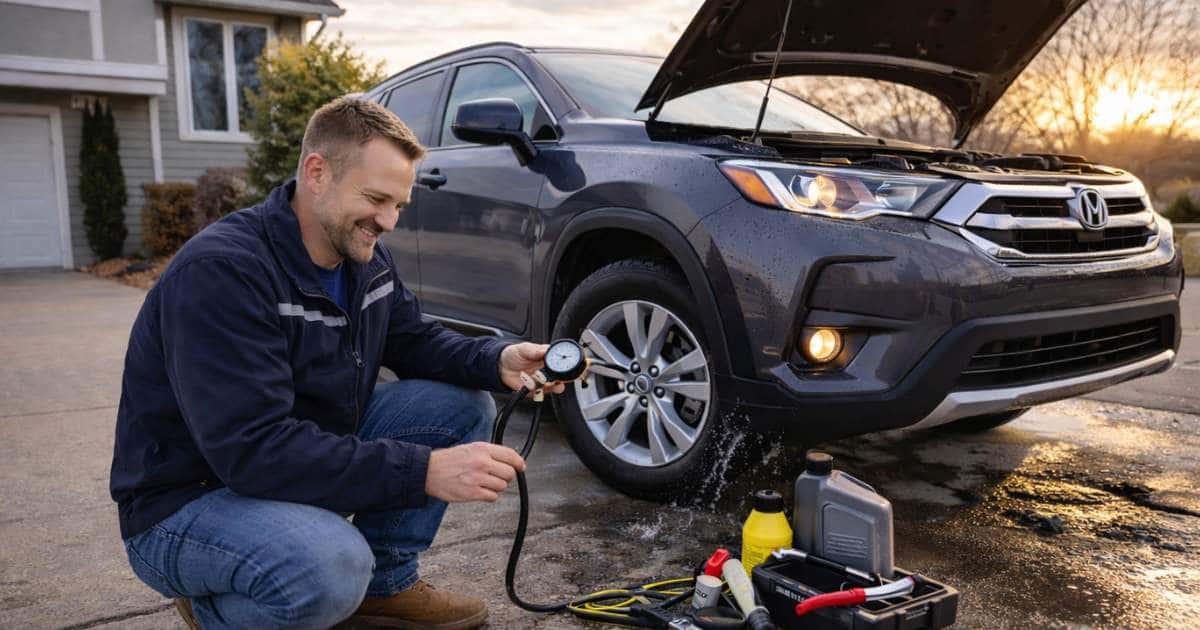
Keep tire pressure where it should be. Omaha temperature swings can mess with PSI, warm afternoon, cold night, repeat. Under-inflated tires have less protection and are more likely to pinch or bubble on the sidewall. Over-inflated tires can transmit more shock to suspension components. If you’re already worried about pothole damage car Omaha NE issues, checking tire pressure weekly in spring is a simple habit that pays off.
- Defensive Driving is Key: Increase following distance and avoid braking directly in a pothole to minimize damage.
The Telltale Signs of Pothole Damage
Sometimes the damage is obvious, flat tire, loud bang, steering wheel suddenly crooked. Other times it’s subtle and shows up days later as uneven tire wear or a new rattle when you go over bumps. If you’ve had a hard hit lately, here’s how to check for pothole-related problems before they get expensive.
What to Look For
Start with a quick visual check in good light (your driveway, a parking lot, wherever you can safely walk around the car).
- Tire sidewall bulges or bubbles: This is a big red flag. A bubble usually means internal tire damage and it can fail without much warning.
- Dents or cracks in the wheel rim: Even a small bend can cause vibration at highway speeds or slow air leaks.
- Fluid leaks: If you see fresh fluid under the car after a hit, it could point to shock/strut damage or a knocked-loose component. Don’t ignore it.
What to Listen For
After a pothole hit, turn the radio down for a day or two and pay attention. New sounds often show up first on rougher streets or when you pull into a driveway at an angle.
- Clunking or knocking: Can indicate suspension wear or a component that got stressed loose.
- Rattling: Sometimes it’s an exhaust shield or a bracket that shifted when the car took the impact.
- Hissing: Could be a tire leak, especially if you hear it when parked right after driving.
What to Feel
Your hands and seat will tell you a lot, especially at 35–55 mph on typical metro roads.
- Pulling to one side: Classic sign of misalignment after a hit.
- Steering wheel vibration: Often a bent rim or tire damage.
- Bouncier or harsher ride: Can signal shocks/struts that took a hit and aren’t controlling movement like they should.
If any of these show up, it’s worth getting a professional inspection sooner rather than later. An alignment check can be a relatively small cost compared to chewing through a set of tires. If you need a place to start, you can schedule an inspection through CarHop of Omaha’s service department.
- Inspect After Impact: After a hard hit, check for tire bulges, listen for new noises, and feel for the car pulling to one side.
- Don’t Ignore Warning Signs: A simple alignment check is much cheaper than replacing a full set of tires worn out by a bad alignment.
What to Do Immediately After a Hard Hit
When you hit a pothole hard enough to make your stomach drop, the next few minutes matter. The goal is to keep you safe and prevent turning one problem into three.
Pull over safely if you can. If you’re on a busy road, don’t stop in a dangerous spot, get to the nearest safe parking lot or side street. Then check the tire that took the hit for obvious damage or immediate deflation. If you see a sidewall bubble, a cracked rim, or the tire is losing air fast, don’t try to “limp it home” on the interstate.
Decide whether to drive or tow. If the steering feels off, you hear grinding, or the car won’t track straight, it’s often safer (and cheaper in the long run) to call for a tow than risk additional suspension or wheel damage, or losing control.
Document the location. Make a quick note of the street, nearest cross-street, and which lane it was in. If you can safely do so, take a photo. Omaha drivers can report potholes to the city’s Street Maintenance resources, and the more precise you are, the easier it is for crews to find it.
Schedule an alignment check even if it “seems fine.” Misalignment can be subtle at first, but it quietly eats tires. If you want help figuring out next steps or setting up a visit, use this contact page to reach the CarHop of Omaha team and we’ll point you in the right direction.
Is Your Car Ready for Another Rough Season?
One pothole is annoying. A whole season of them is a pattern, and patterns are what drive up costs. If you’ve been through repeated alignments, tire replacements, or suspension work, it’s fair to ask whether your current vehicle is a good match for our roads and winters.
In this part of the Midwest, we’re not just dealing with potholes. We’re dealing with subzero temperatures that reduce battery performance, black ice on bridges and overpasses, and months of salt and brine that can accelerate undercarriage rust. Add snow emergency routes and winter storm advisories to the mix, and you can see why a sturdy, predictable vehicle matters.
In general, vehicles with higher-profile tires (more sidewall) and sturdier suspensions tend to handle rough pavement better than cars with low-profile performance tires. Many SUVs and trucks also provide extra ground clearance for rutted snow and slush buildup, helpful when plows leave that hard ridge at the end of your driveway or when side streets don’t get cleared as quickly.
If repair bills are piling up and you’re worried about your credit situation, this is where Buy Here Pay Here options can be practical. A buy here pay here Omaha setup is designed for people who may not fit a traditional bank loan, whether that’s bad credit, no credit, or a thin credit file. (You’ll also hear people searching for terms like buy here pay here car lots or even “car dealerships near me” when they’re trying to solve the problem quickly.)
If you’re at that crossroads, CarHop of Omaha is one local option that focuses on helping drivers get into dependable used cars, trucks, or SUVs with financing that’s built for real-life situations. You can browse used vehicles available locally to get a feel for what fits your commute and your budget. Vehicles come with a limited warranty, which can be a relief when the roads are doing their worst.
FAQs
How can I report a pothole in Omaha?
You can report potholes directly to the City of Omaha’s Street Maintenance department through the Omaha Hotline (online or by phone). The biggest thing is being specific: include the street, nearest cross-street, and which lane or direction of travel. If it’s near a familiar landmark or intersection you know well, add that detail too. Clear reports help crews locate the exact spot faster, especially during the spring rush when new holes pop up daily.
How often should I get my alignment checked because of Omaha’s roads?
For Omaha drivers, a good rule is an alignment check at least once a year, plus anytime you take a significant pothole hit. Spring is a smart time to do it, because that’s when freeze-thaw damage is at its peak and you’re most likely to clip a hidden crater in a puddle. An alignment check is usually inexpensive compared to the cost of replacing tires that wear unevenly for months.
Can one pothole really total a car?
It’s rare, but yes, it can happen. A severe impact can damage multiple expensive systems at once: suspension components, steering rack, wheel assemblies, and in extreme cases even parts of the vehicle’s frame or subframe. If the repair cost is higher than the vehicle’s value, an insurance company may declare it a total loss. That’s why it’s important to document the incident and get a proper inspection if the hit felt unusually violent.
My car has pothole damage and I have bad credit. What are my options?
If the repair estimate is more than you can comfortably put into the car, replacing the vehicle may make more sense, especially if it’s already needed tires, brakes, or other deferred maintenance. A buy here pay here dealership can be a workable option for people with bad credit or no credit because financing is handled in-house rather than through a traditional lender. If you’re researching buy here pay here Omaha NE solutions, CarHop of Omaha is one local place that works with these situations.
Are certain types of tires better for avoiding pothole damage?
Yes. Tires with a larger sidewall (a higher aspect ratio) generally provide more cushioning, which helps absorb impacts and reduces the risk of rim damage compared to low-profile tires. Low-profile tires may look sharp, but they give you less “rubber buffer” when you hit sharp edges. If potholes are a constant issue on your commute, consider tire size and sidewall height when choosing your next set of tires, or even your next vehicle.
Closing: Stay Ahead of Pothole Season
Potholes are part of spring driving here, but you’re not powerless. Give yourself space in traffic, treat puddles like hazards, and keep tire pressure in check, small habits that reduce the odds of pothole damage car Omaha NE headaches. After a hard hit, do a quick visual inspection, listen for new noises, and pay attention to how the steering feels. If anything seems off, an alignment check can save you from burning through tires early.
If you’re finding that Omaha’s rough seasons are outpacing what your current car can handle, you can explore options locally through CarHop of Omaha’s website, even if you’re just gathering information and not ready to make a move yet.
0 comment(s) so far on Omaha Pothole Season Survival Guide: How to Protect Your Tires & Suspension (and Spot Damage Early)